

Decoupled from §168(k)
Rhode Island Requires Bonus Depreciation Addback
5.99% Top Individual · 7% Flat Corporate + $400 Minimum
Federal Deduction Amplified
22–35% Typical Reclassification
Rhode Island Building Value into Short-Life Assets
All Commercial Asset Classes
Statewide Rhode Island
The Basics
What Cost Segregation Does for Rhode Island Property Owners
A cost segregation study identifies building components HVAC systems, specialty flooring, parking surfaces, interior finishes, exterior lighting that qualify for accelerated depreciation on 5-, 7-, or 15-year schedules rather than the default 27.5-year (residential rental) or 39-year (commercial) building schedule. Front-loading those deductions increases first-year cash flow and lowers current-year federal taxable income.
In Rhode Island, the federal benefit works the same way it does anywhere the One Big Beautiful Bill (OBBBA, P.L. 119-21) permanently restored 100% bonus depreciation for qualified property placed in service after January 19, 2025, and that federal benefit applies to Rhode Island properties in full. State-level treatment is where Rhode Island is different: Rhode Island has long decoupled from federal §168(k) bonus depreciation federal bonus depreciation must be added back as a modification to income on the Rhode Island return (per RI-1040C instructions and Rhode Island Division of Taxation guidance). Under Rhode Island’s Fiscal Year 2026 budget, Rhode Island also disallows OBBBA-specific changes to §179, §174 (R&E), and §163(j) (interest expense) meaning Rhode Island applies pre-OBBBA §179 limits and pre-OBBBA §174/§163(j) treatment.
Federal Deduction Amplified by Rhode Island’s Combined Rates
Rhode Island’s Tax Landscape: Why Cost Segregation Matters Here

Individual Income Tax
Graduated with three brackets 3.75%, 4.75%, and 5.99% top marginal rate (for 2026).
Corporate Income Tax
7% flat on Rhode Island taxable income, with a $400 minimum entity fee. Single sales factor apportionment for C corporations (tax years beginning on/after January 1, 2015). Rhode Island has a throwback provision for sales.
Bonus Depreciation Conformity
Decoupled from §168(k) federal bonus depreciation must be added back as a modification to income on the Rhode Island return. Property depreciates via pre-bonus MACRS on the state return.
§179 Expensing
Rhode Island applies pre-OBBBA §179 limits under the FY 2026 RI budget, Rhode Island disallows OBBBA’s increase to §179 caps for tax years beginning on or before January 1, 2025. [VERIFY: The exact RI §179 cap for TY 2025-2026 may need CPA verification; historically RI has required §179 addback of excess over federal pre-OBBBA amounts.]
§174/§163(j)
Rhode Island also disallows OBBBA changes to §174 (domestic R&E expensing) and §163(j) (interest expense limitation) for RI purposes, pre-OBBBA §174 amortization and §163(j) rules continue.
PTE (Pass-Through Entity Tax)
Rhode Island offers a PTE tax election for federal SALT-cap workaround purposes.
Property Tax
~1.4% effective on owner-occupied housing varies significantly by municipality (Providence, Newport, and coastal towns can exceed the average). A separate lever from income tax.
§481(a) Catch-Up
For Rhode Island properties owned more than a year without a study, an automatic accounting-method change (Form 3115 under Rev. Proc. 2015-13 and its updates) captures all missed depreciation into the current tax year at the federal level no amended returns required.
Every Commercial Asset Class in Rhode Island
Rhode Island Property Types Where Cost Segregation Delivers
Biotech & Life Sciences
Providence biotech cluster (Brown University Center for Alzheimer’s Research, plus adjacent operations). Life sciences overflow from Massachusetts’s Kendall Square.
Financial Services & Insurance
Providence corporate cluster (Amica Insurance, Citizens Financial Group, Fidelity legacy operations). Class A specialty office property.
Healthcare & Medical Office
Rhode Island Hospital (Lifespan), Care New England, Roger Williams Medical Center, Miriam Hospital corridors across Providence, Warwick, and Aquidneck Island.
Higher Education Corridor
Brown University, Rhode Island School of Design (RISD), Providence College, Bryant University, Salve Regina, University of Rhode Island plus academic-adjacent commercial property.
Hospitality & Tourism
Newport (Bellevue Avenue mansions, yachting, tennis, festivals), Block Island destination hospitality, plus Providence business travel. Heavy FF&E in specialty coastal hospitality.
Marine & Yachting
Newport’s marine industry (Newport is one of the world’s premier yachting destinations). Specialty marine facilities.
Manufacturing
Hasbro (Pawtucket HQ), plus specialty jewelry and manufacturing (Providence’s long history as the “Costume Jewelry Capital”). Warwick and Cumberland industrial.
Multifamily
Providence-metro multifamily (Downtown, East Side, West End), Warwick, Cranston, and Newport multifamily development.
Retail & Mixed-Use
Providence Place Mall, Wayland Square, plus statewide retail centers.
Investment Residential
5+ unit properties eligible for cost segregation.
Not sure whether your Rhode Island property qualifies? Request a free benefit analysis we’ll tell you honestly.
Credentialed. Independent. Nationwide.
Why The Ambrose Group?
MAI-Certified Appraisers, In-House Engineer
The IRS prefers engineering-based studies over rule-of-thumb estimates. Our in-house engineer conducts the analysis, reviews construction documents, and physically identifies reclassifiable components. Many providers estimate; we don’t.
IRS-Compliant Methodology
Every Ambrose study follows the IRS Cost Segregation Audit Techniques Guide (ATG, Publication 5653).
30+ Years of Nationwide Experience
Headquartered in Texas, serving Rhode Island and all 50 states.
Full Audit Support
Every study includes documentation and audit support at no additional charge.
CPA-Ready Reports
We deliver a complete reclassification package your CPA can apply directly, including the depreciation detail your CPA needs to file the Rhode Island §168(k) bonus depreciation addback and manage the pre-OBBBA §179 cap adjustment.
Single-Property to Multi-State Portfolios
Whether you own one Rhode Island commercial building or a portfolio spanning multiple states, we scale the engagement to fit.

Real Numbers
What First-Year Savings Might Look Like in Rhode Island
Results depend on property type, cost basis, construction year, and applicable depreciation rates and we run a free benefit analysis before you commit to a study so you can see projected numbers first.
As a reference point, an Ambrose Group engagement on a $2.9M commercial property delivered $657,692 in first-year depreciation increase and $230,192 in first-year tax savings. In Rhode Island specifically, the federal Year 1 savings apply fully; the Rhode Island state benefit is spread across the useful life of the reclassified components under regular MACRS (no state-level bonus stacking). Given Rhode Island’s 5.99% top individual rate and 7% corporate rate, the federal deduction combined with the state rates still delivers meaningful overall value.
Get Started
Free Rhode Island Cost Segregation Benefit Analysis
Tell us about your Rhode Island property asset type, acquisition or construction cost, when it was placed in service and we’ll run a free benefit analysis showing projected first-year depreciation and tax savings before you commit to a study.
-
Right approach for your property type
-
Federal benefit modeled + Rhode Island state timing considerations
-
Clear read on the study’s projected ROI
Prefer to talk?
(713) 688-7733
The Ambrose Group headquarters, Jersey Village, TX (serving Rhode Island and all 50 states).
Request Your Free Analysis
Complete the form and we’ll be in touch within 24 hours.
"*" indicates required fields
How It Works Rhode Island & Nationwide
Our Cost Segregation Process
What Clients Say
See why property owners, investors, and CPAs have trusted The Ambrose Group for 30+ years. Read client reviews.
Cost Segregation in Rhode Island Common Questions
Frequently Asked Questions
Does Rhode Island conform to federal bonus depreciation rules?
No. Rhode Island has long decoupled from federal §168(k) bonus depreciation federal bonus depreciation must be added back as a modification to income on the Rhode Island return (per RI-1040C instructions and Rhode Island Division of Taxation guidance). Property depreciates via pre-bonus MACRS on the state return. Your federal Year 1 tax savings from a cost segregation study are fully preserved.
What about Rhode Island’s §179 expensing?
Under Rhode Island’s Fiscal Year 2026 budget, Rhode Island applies pre-OBBBA §179 limits the OBBBA increase to §179 caps is disallowed for RI purposes. [VERIFY specific 2025-2026 RI §179 cap with your CPA and the RI Division of Taxation.]
What about §174 R&E expensing and §163(j) interest expense?
Under Rhode Island’s FY 2026 budget, Rhode Island also disallows OBBBA changes to §174 (R&E) and §163(j) (interest expense limitation). For RI purposes, pre-OBBBA §174 amortization and §163(j) rules continue.
How does Rhode Island’s income tax structure interact with a cost segregation study?
Rhode Island has a graduated individual income tax with three brackets topping at 5.99% and a flat 7% corporate income tax (with $400 minimum). Because Rhode Island decouples from bonus depreciation, the federal Year 1 benefit is where most of the study’s economics live but given Rhode Island’s rates, the federal deduction still delivers meaningful effective value.
What Rhode Island commercial property types benefit most from cost segregation?
Providence biotech and life sciences facilities (Brown-adjacent operations), Amica/Citizens/other financial services corporate office, Rhode Island Hospital and Lifespan healthcare, Newport specialty coastal hospitality and marine facilities, and Providence-metro multifamily. Biotech and specialty coastal hospitality typically deliver the strongest results.
Can I do a cost segregation study on a Rhode Island property I’ve owned for years?
Yes. A §481(a) adjustment via an automatic accounting-method change (Form 3115 under Rev. Proc. 2015-13 and its updates) lets you capture all missed depreciation from prior years into the current tax year without amending past returns. Especially valuable for long-held Rhode Island biotech, healthcare, Newport coastal hospitality, and Providence-metro multifamily properties.
How do you do a cost segregation study on a Rhode Island property when you’re based in Texas?
Cost segregation is governed by federal tax law, so the methodology is identical regardless of state. Our engineer works either through an in-person Rhode Island site visit or, for well-documented properties, a virtual site inspection using high-definition video, construction documents, and interactive tools. Both are IRS-compliant.
What construction era of Rhode Island property produces the strongest cost segregation outcomes?
Properties placed in service since 1987 are eligible under current IRS guidance, and studies limited to the last 7–10 years tend to deliver the strongest ROI. Providence biotech buildout, Newport hospitality reinvestment, and Providence-metro multifamily development have produced substantial newer commercial property in the ideal window. §481(a) catch-up makes older Rhode Island properties (particularly Newport mansions converted to boutique hotels and Providence long-held multifamily) viable too.
Does Rhode Island’s property tax rate affect the cost seg decision?
Not directly. Cost segregation reduces income tax through accelerated depreciation, not property tax. Rhode Island’s effective property tax rate (~1.4%) varies significantly by municipality some coastal towns (Newport, Middletown, Portsmouth) and Providence corridors can exceed 1.8%. Property tax is a separate lever from the income-tax benefit cost segregation delivers.
What documentation do you need for a Rhode Island cost segregation study? How long does a study take?
Purchase or construction cost documentation, a current depreciation schedule from your CPA, construction plans or specs (when available), any prior appraisals, and for renovation studies improvement records. Because Rhode Island decouples from bonus depreciation and disallows OBBBA §179 changes, your CPA will need the detailed asset schedule. We provide it as part of the standard deliverable. Typical study timeline is 4–8 weeks per property; complex biotech and specialty hospitality take longer proportional to the FF&E and specialty-equipment cataloging effort. [VERIFY typical turnaround range]
More From The Ambrose Group
Related Resources
Nationwide Cost Segregation Services
The full national practice, all 50 states.
Cost Segregation Consultants
The service page: what we do, how we do it, what to expect.
Real Estate Blog
Cost segregation strategy, tax updates, and real-world examples.
Cost Segregation Insights
From Our Blog

Save on Property Taxes with The Ambrose Group: Expert Property Tax Protest Services
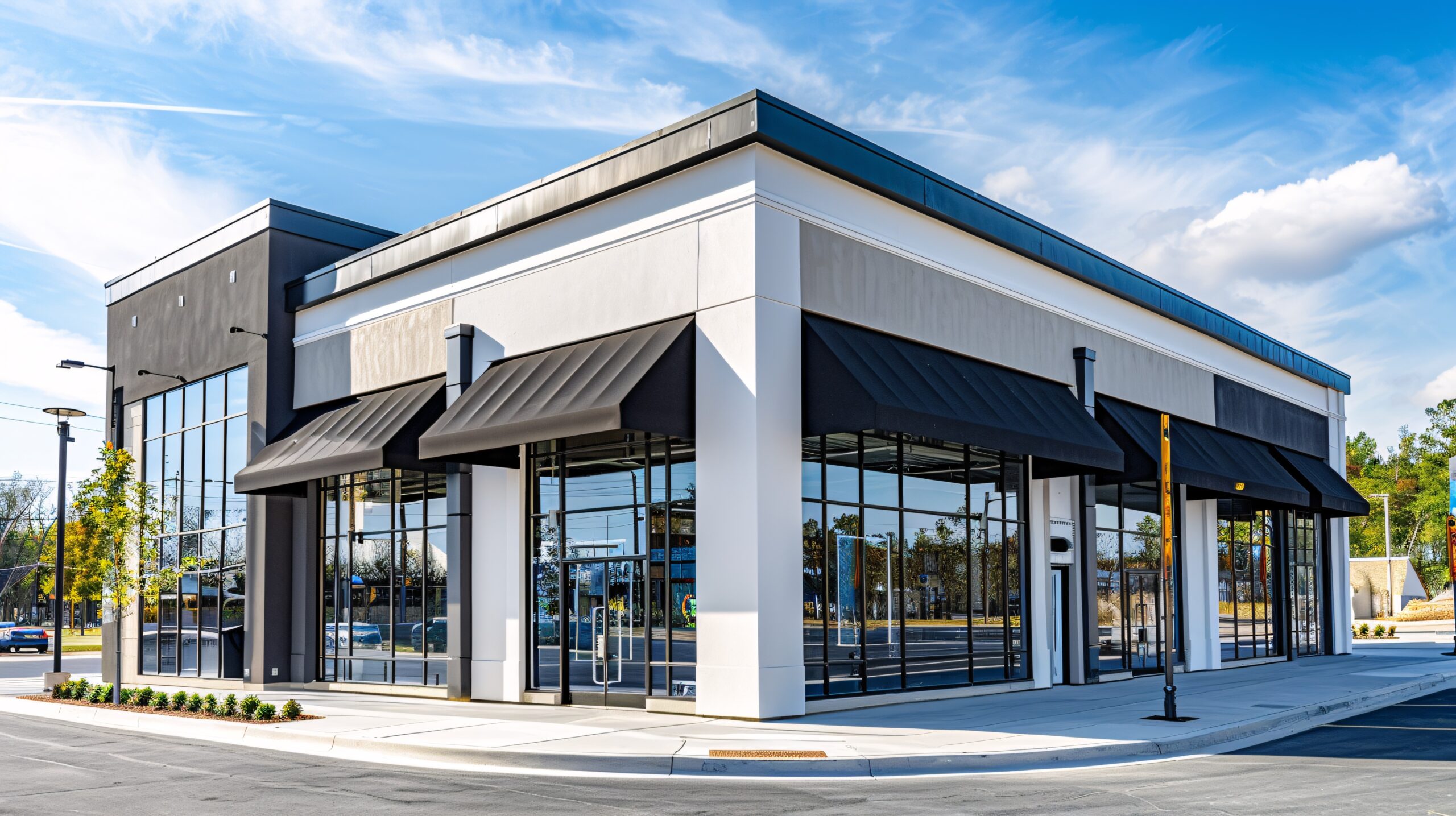
Unlock Tax Savings with Cost Segregation Tips
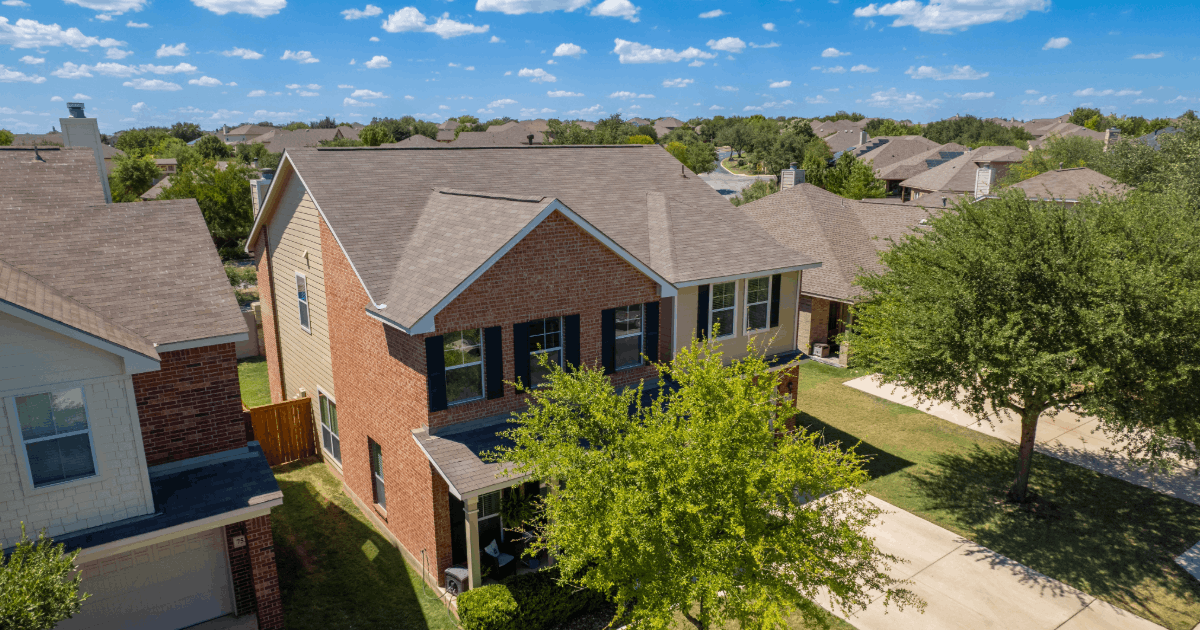
Property Tax Savings Calculator for Texas: How Much Could a Protest Recover?
Contact
Talk to Trusted Cost Segregation Consultants
We live by our motto: “Everything we do is driven by the relationship, not the transaction” and we mean it. Whether you have a Rhode Island property to evaluate or a multi-state portfolio to review, we’re here to help. Contact our real estate firm.